A football landmark on the Castellana
Engineering, ambition and history shaped a venue that feels both classic and cutting‑edge.
Table of Contents
Origins and early vision
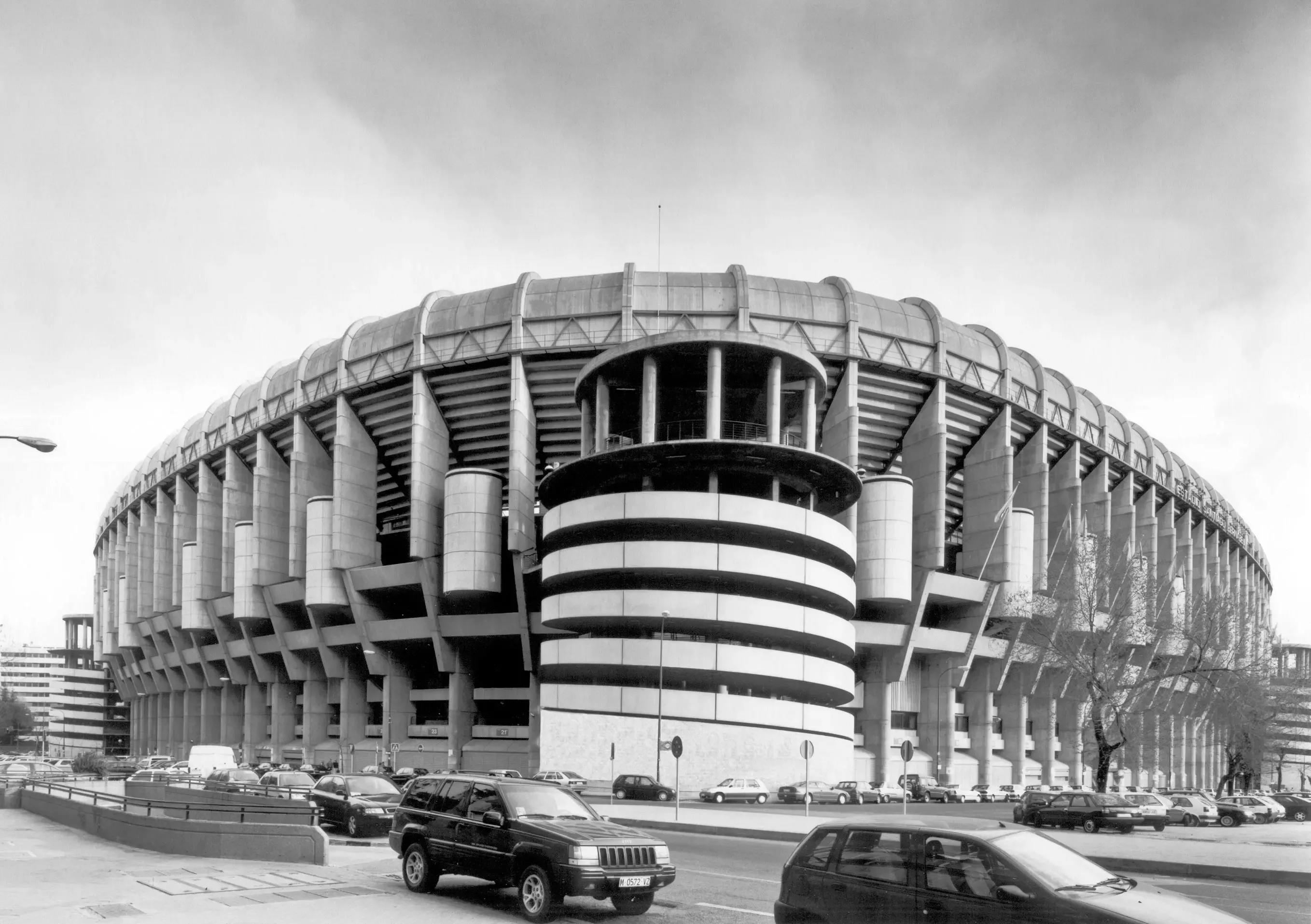
Opened in 1947, the Bernabéu grew with Real Madrid’s ambitions—built to host bigger crowds and bigger ideas.
Named after president Santiago Bernabéu, the stadium quickly became a stage for football’s grandest nights.
Design and architectural evolution
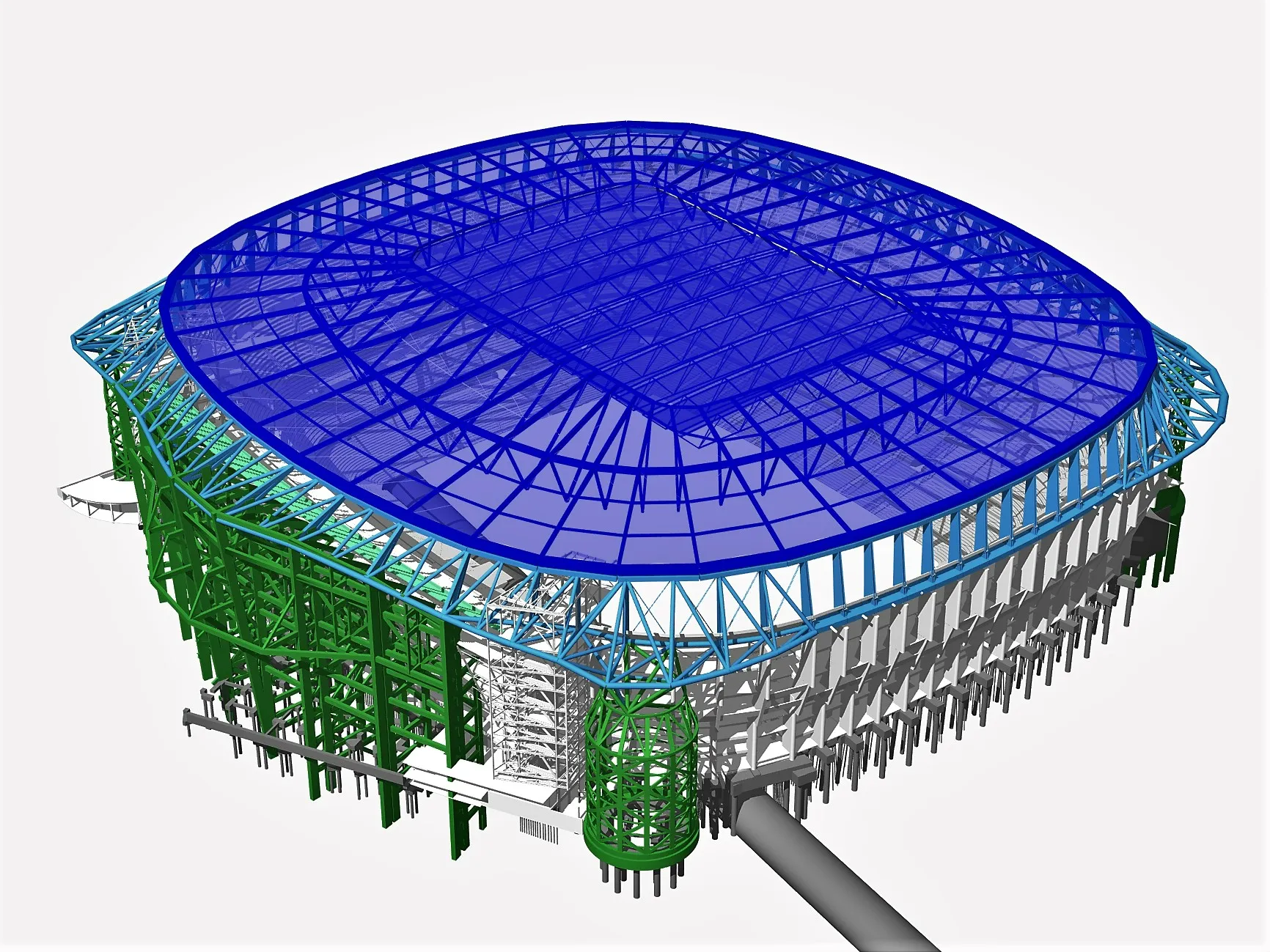
From classic concrete tiers to a sleek new skin, the stadium blends heritage with modern engineering.
The recent renovation added a retractable roof, a 360° video ring and improved circulation throughout.
Construction and expansions
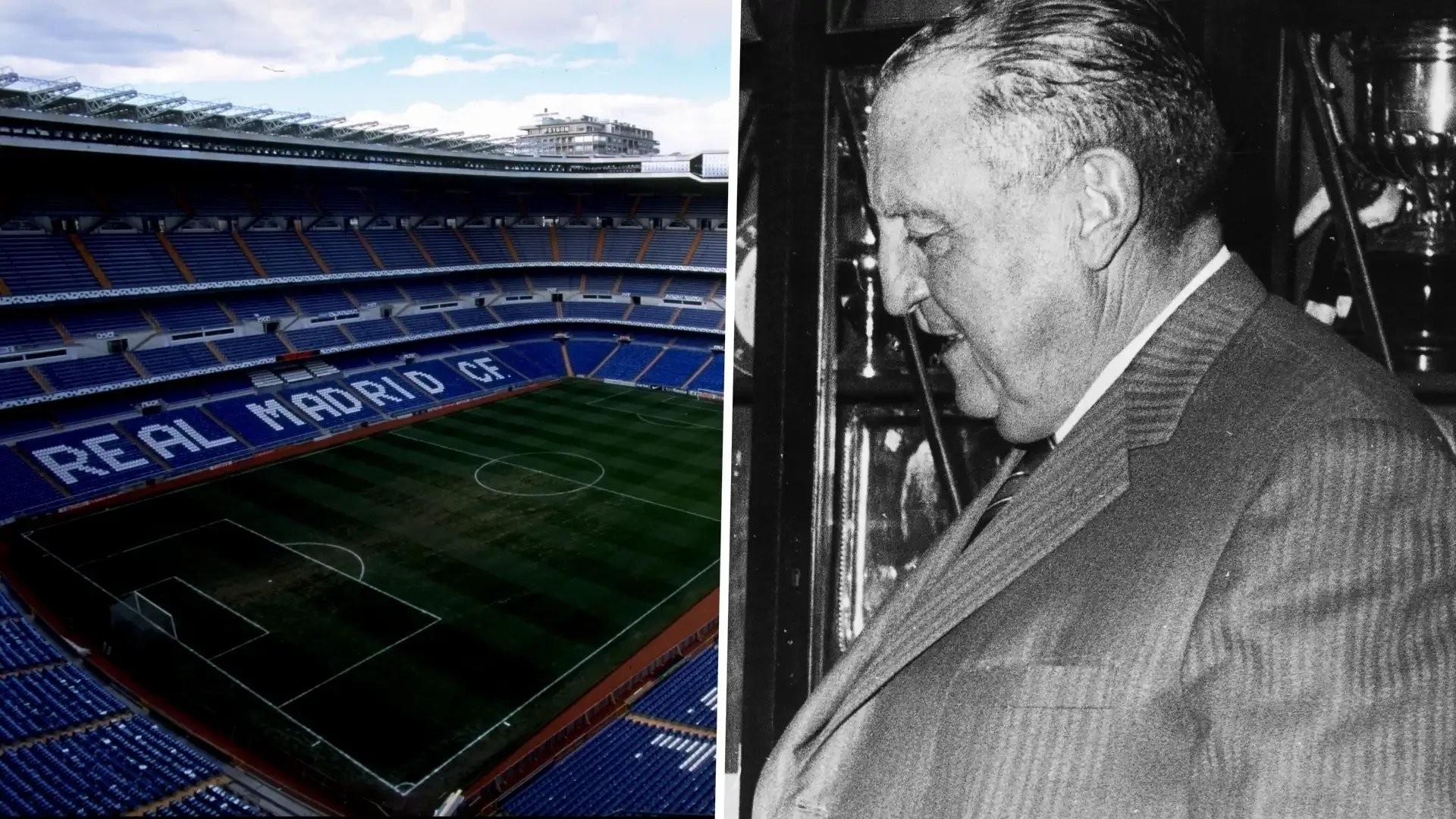
The Bernabéu evolved in stages, expanding capacity and facilities in line with club growth and UEFA standards.
The latest works transformed the exterior, roof and interiors while keeping the stadium active for matches.
Golden eras and iconic nights
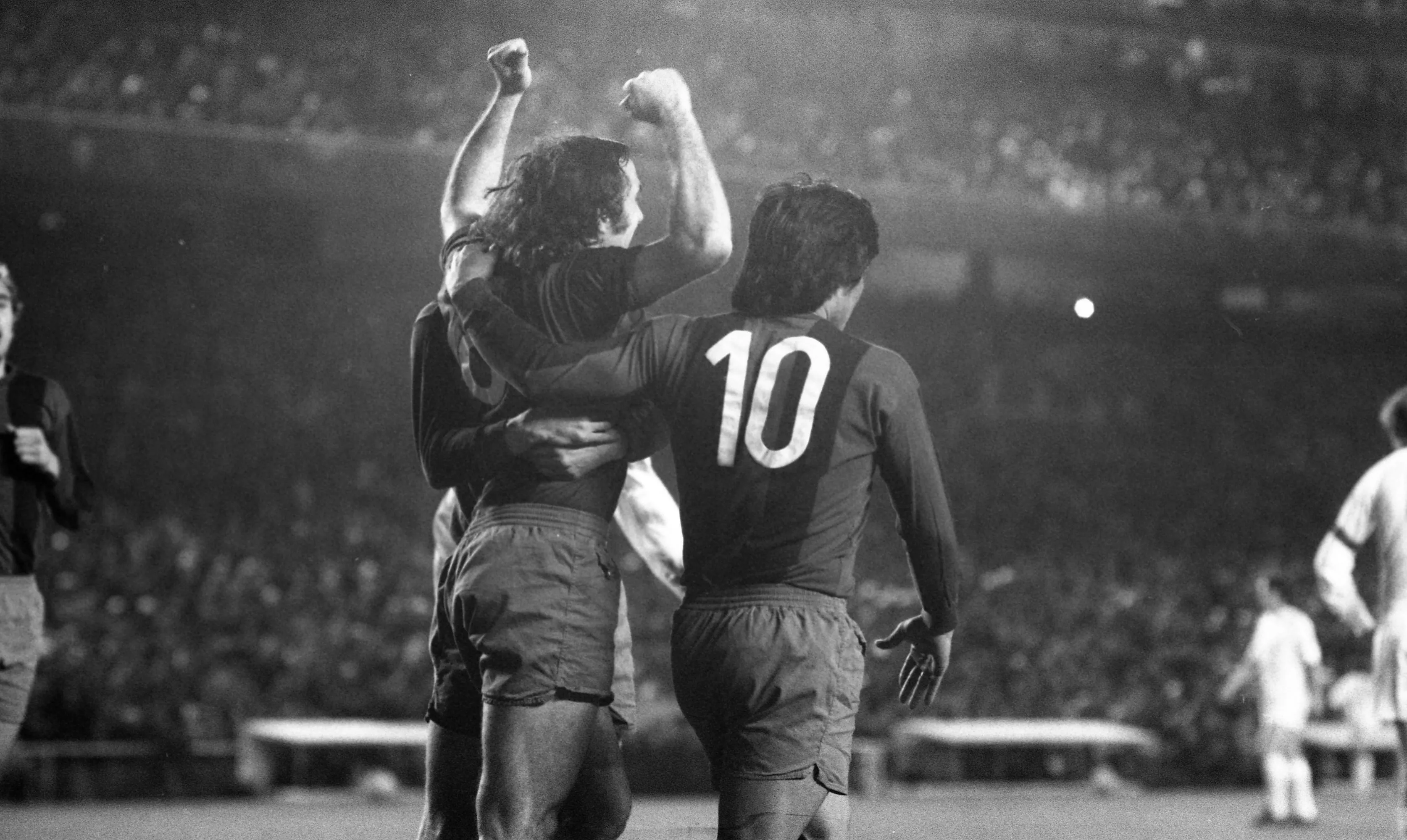
From Di Stéfano to modern legends, unforgettable comebacks and finals turned the Bernabéu into football lore.
The atmosphere on big European nights is part spectacle, part ritual—felt across Madrid’s streets.
Tour route and visitor experience
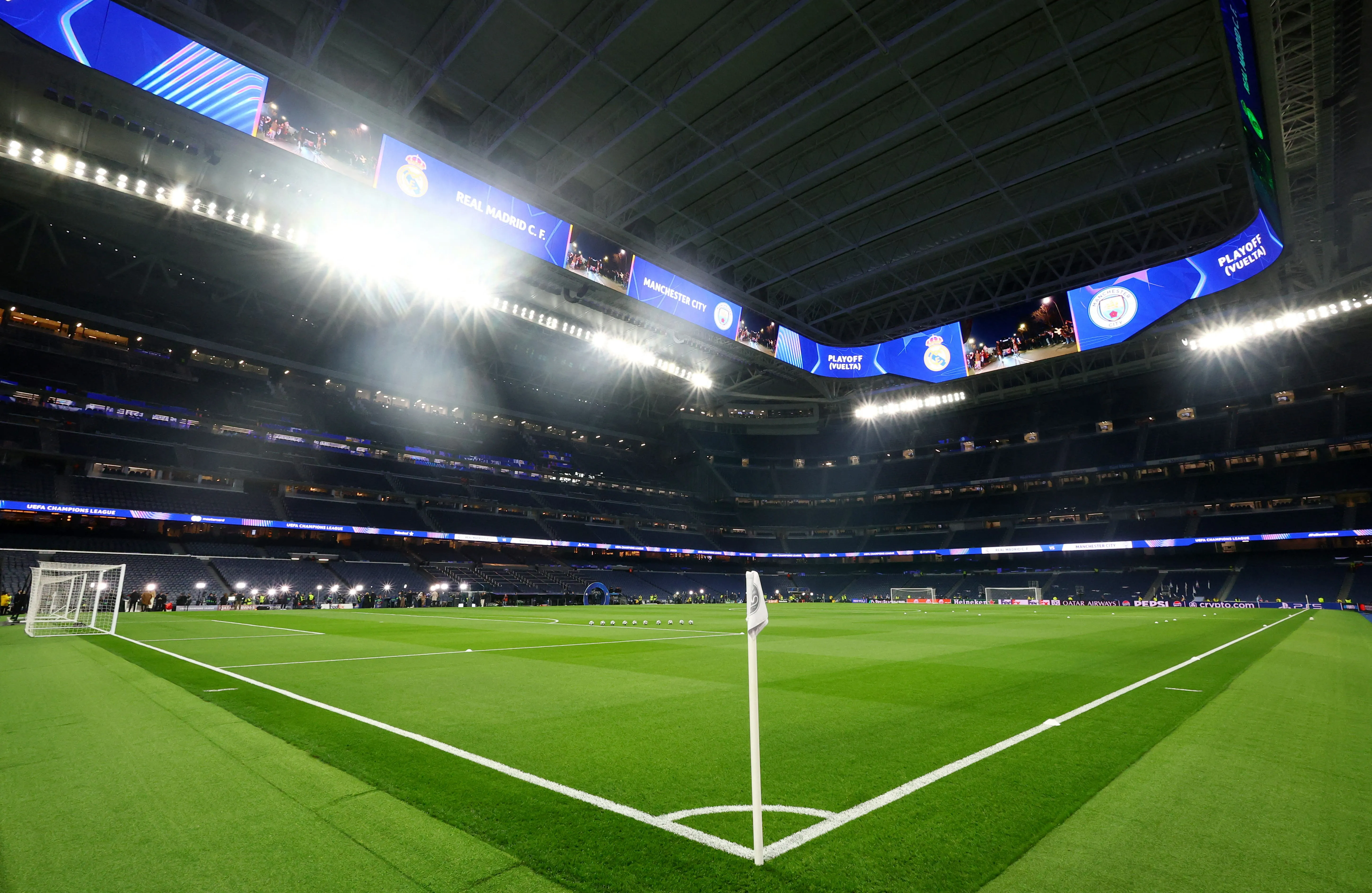
The Tour is self‑paced: museum first, then panoramic stands, multimedia moments and viewpoints.
Expect photo stops, interactive displays and a route designed to be accessible for most visitors.
Operations, safety and maintenance
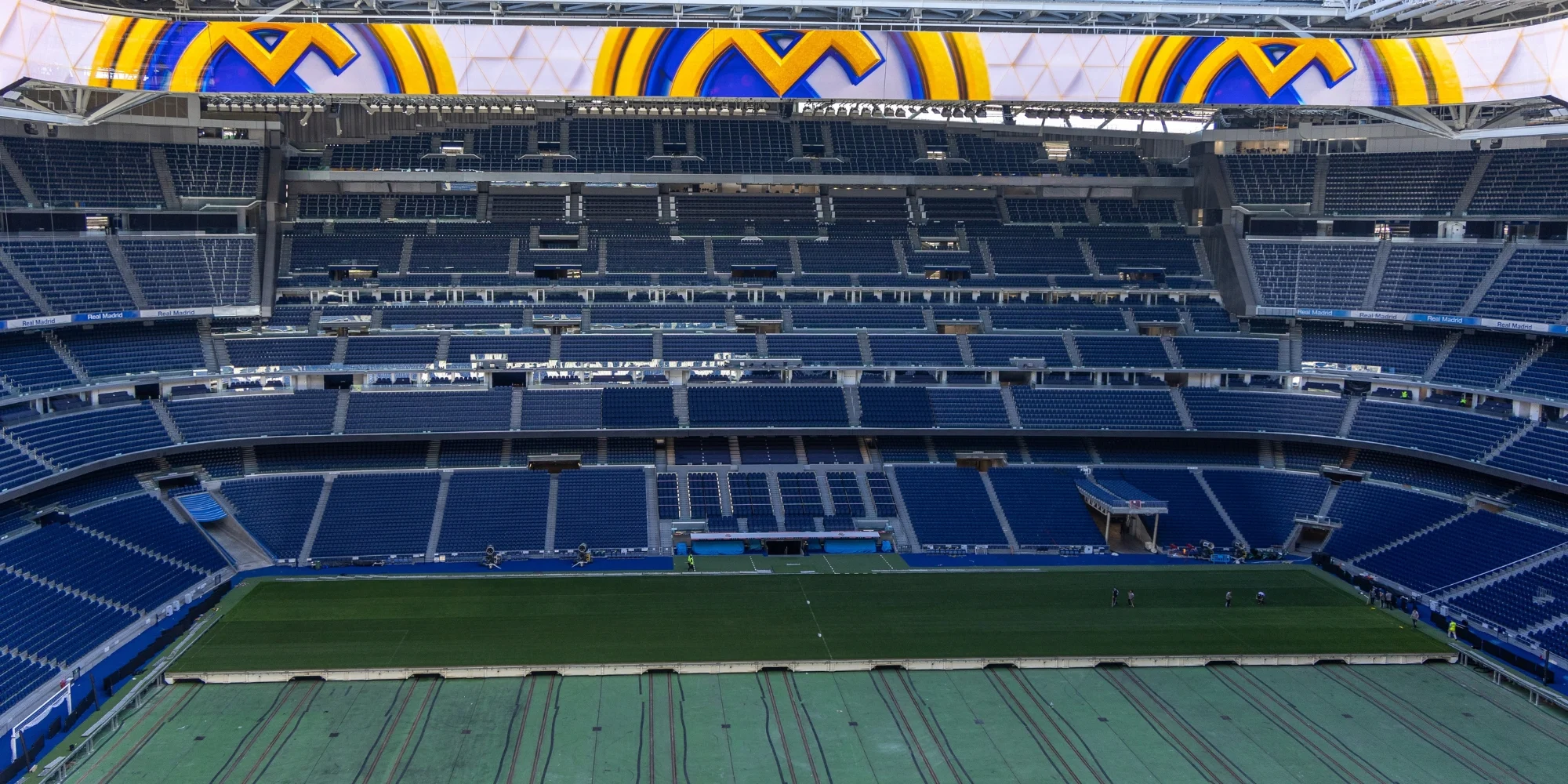
Continuous monitoring and regular checks keep matchdays and tours running smoothly and safely.
Events can prompt route changes; safety and comfort guide operations throughout the day.
Accessibility and inclusion
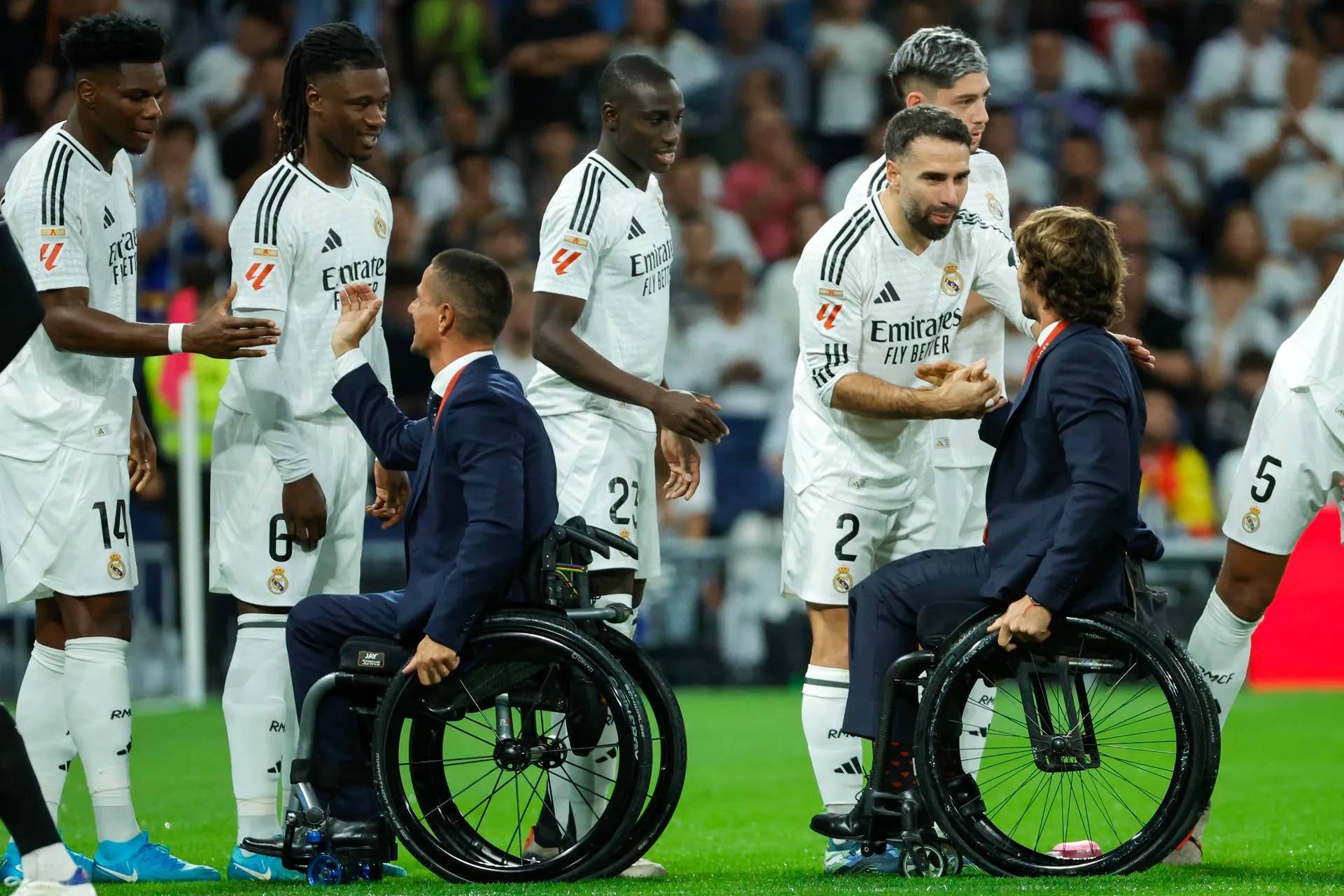
Step‑free routes, staff assistance and lifts make the Tour widely accessible.
Clear signage and calm pacing support families, seniors and visitors with different needs.
Sustainability and urban context
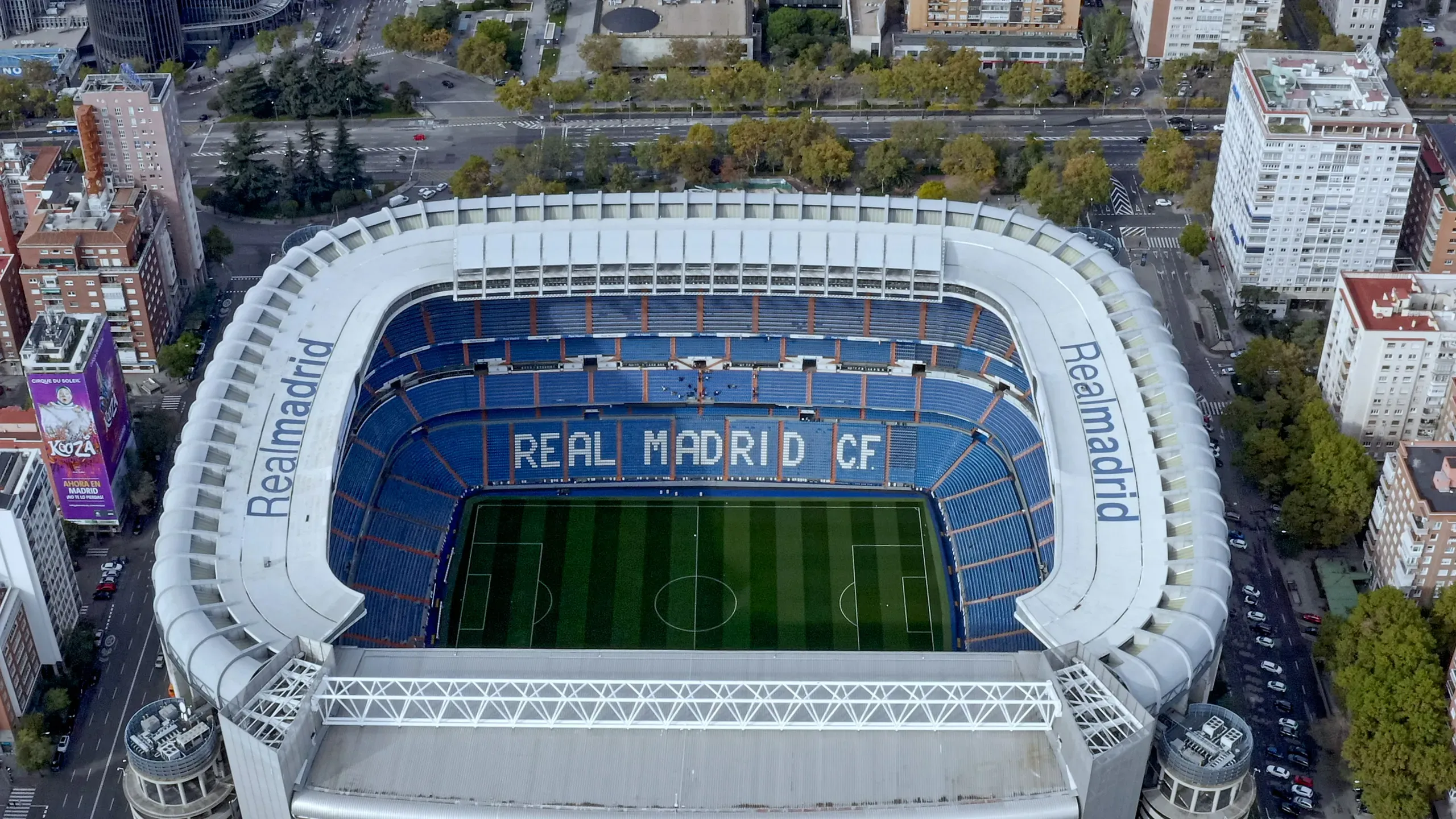
A public‑transport‑first location reduces car use; most visitors arrive by Metro, bus or on foot.
Ongoing efforts consider energy use, materials and responsible operations in a dense city setting.
Branding, sponsorship and partners
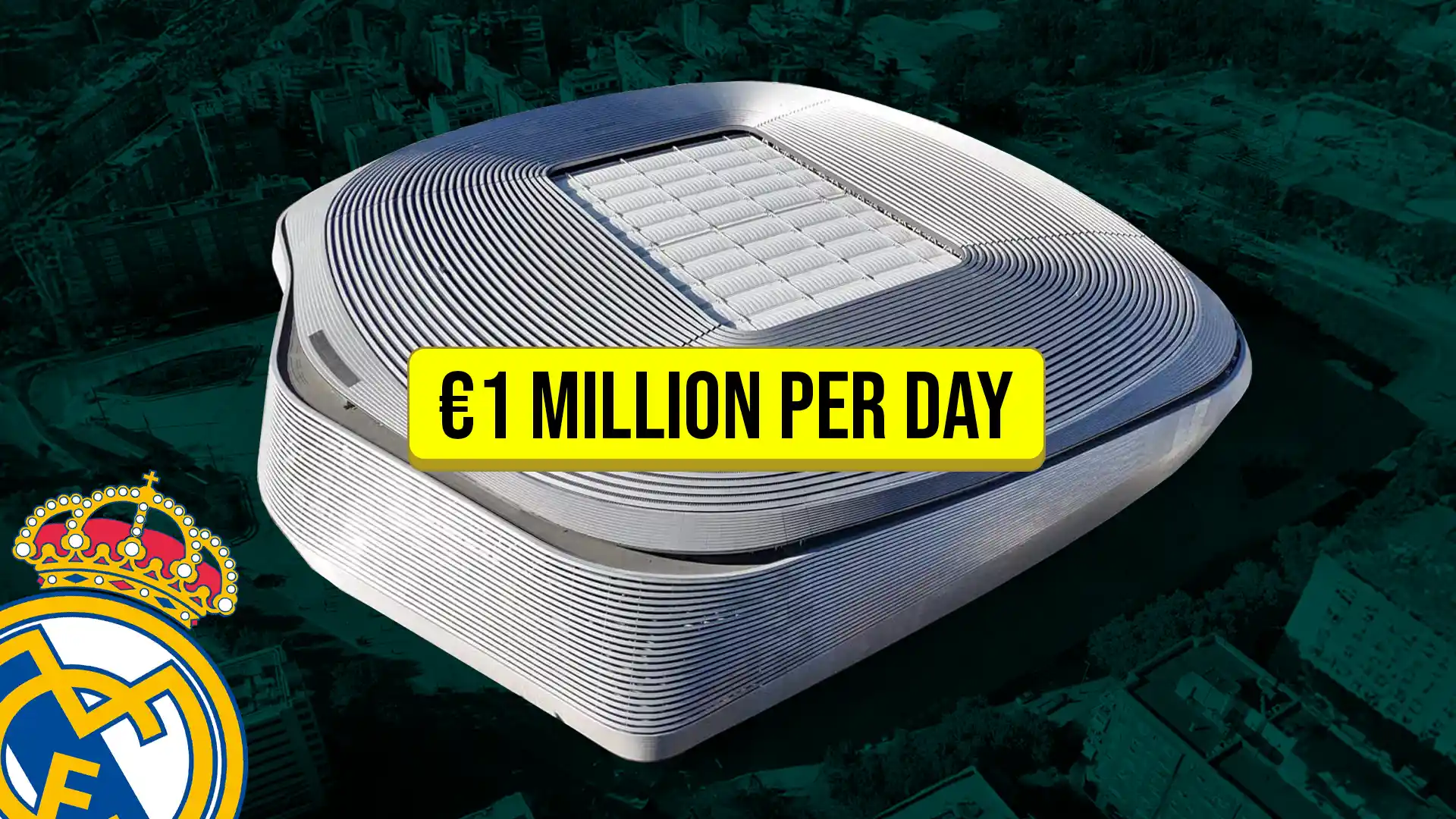
Partnerships and branding evolve with the club’s projects, while the identity of the stadium endures.
Naming rights discussions and sponsors appear across the venue, but the Bernabéu name remains iconic.
Planning a historically aware visit
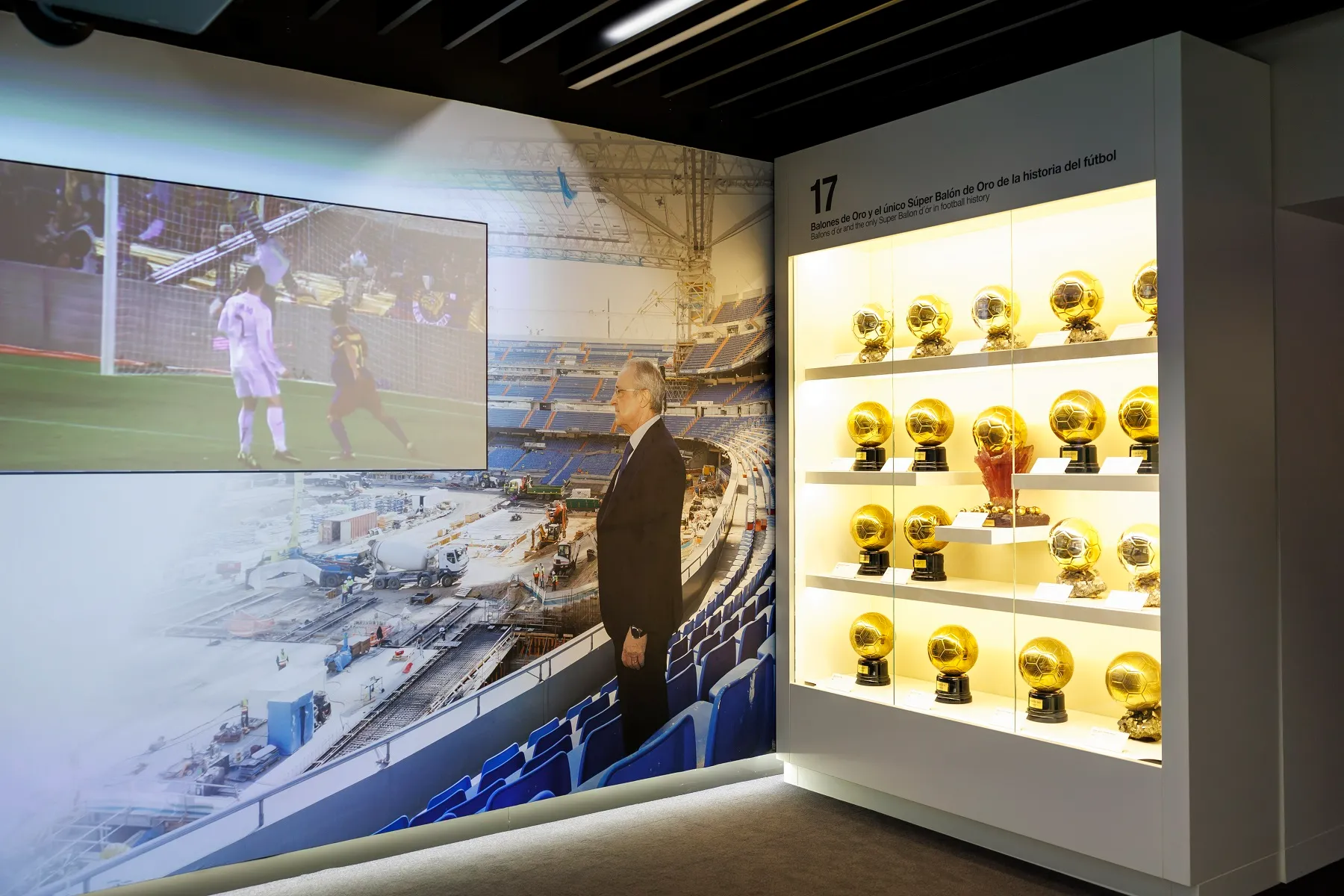
Pick a time: weekday mornings for calm, afternoons for buzz. Avoid matchdays for the full route.
Check for special events and closures—match preparation can limit access to certain areas.
Chamartín and city culture
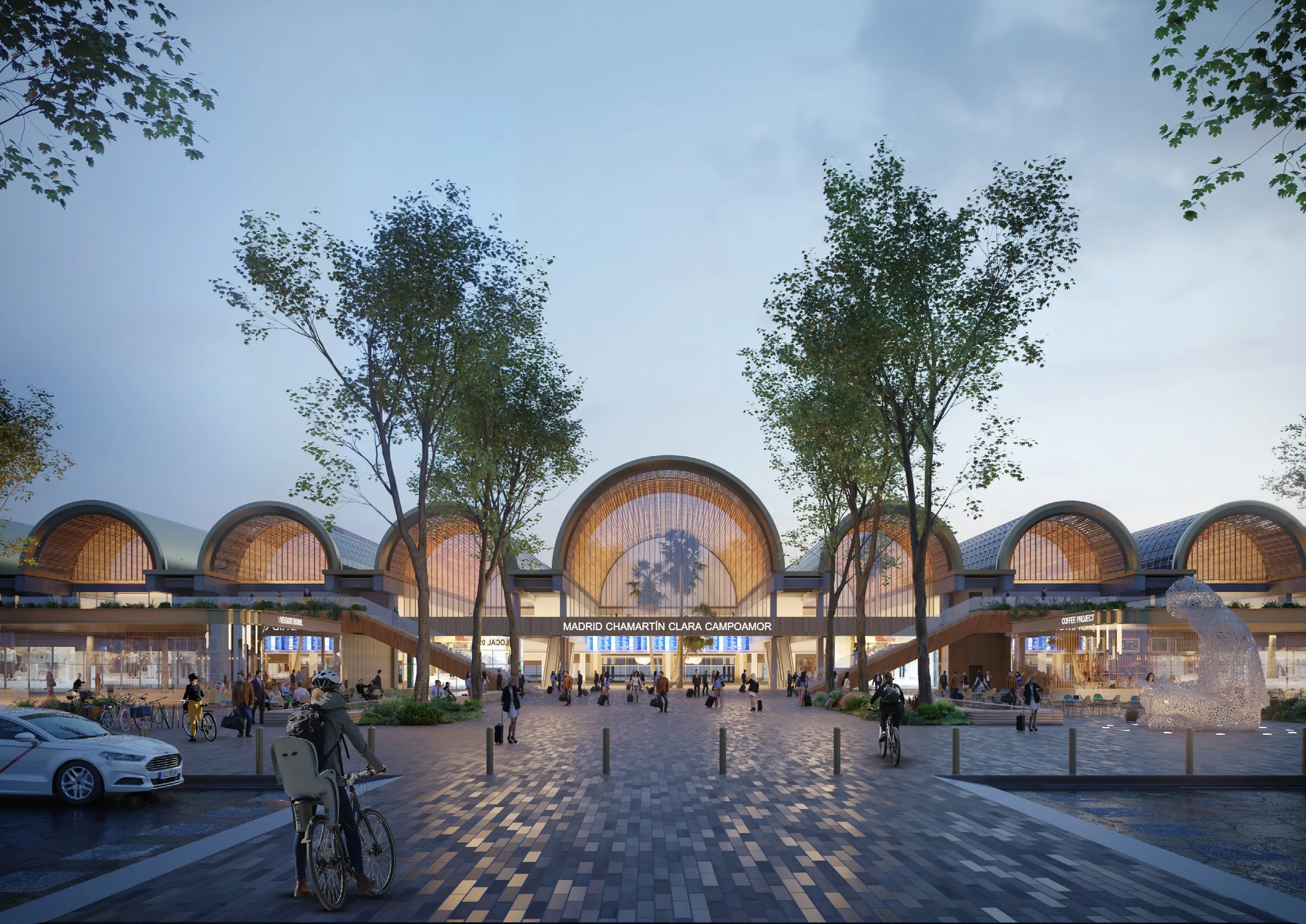
The Bernabéu sits along the Castellana axis—offices, shops and venues give the area a lively, urban rhythm.
From Nuevos Ministerios to Plaza de Castilla, the walk connects business hubs, restaurants and parks.
Nearby highlights and connections
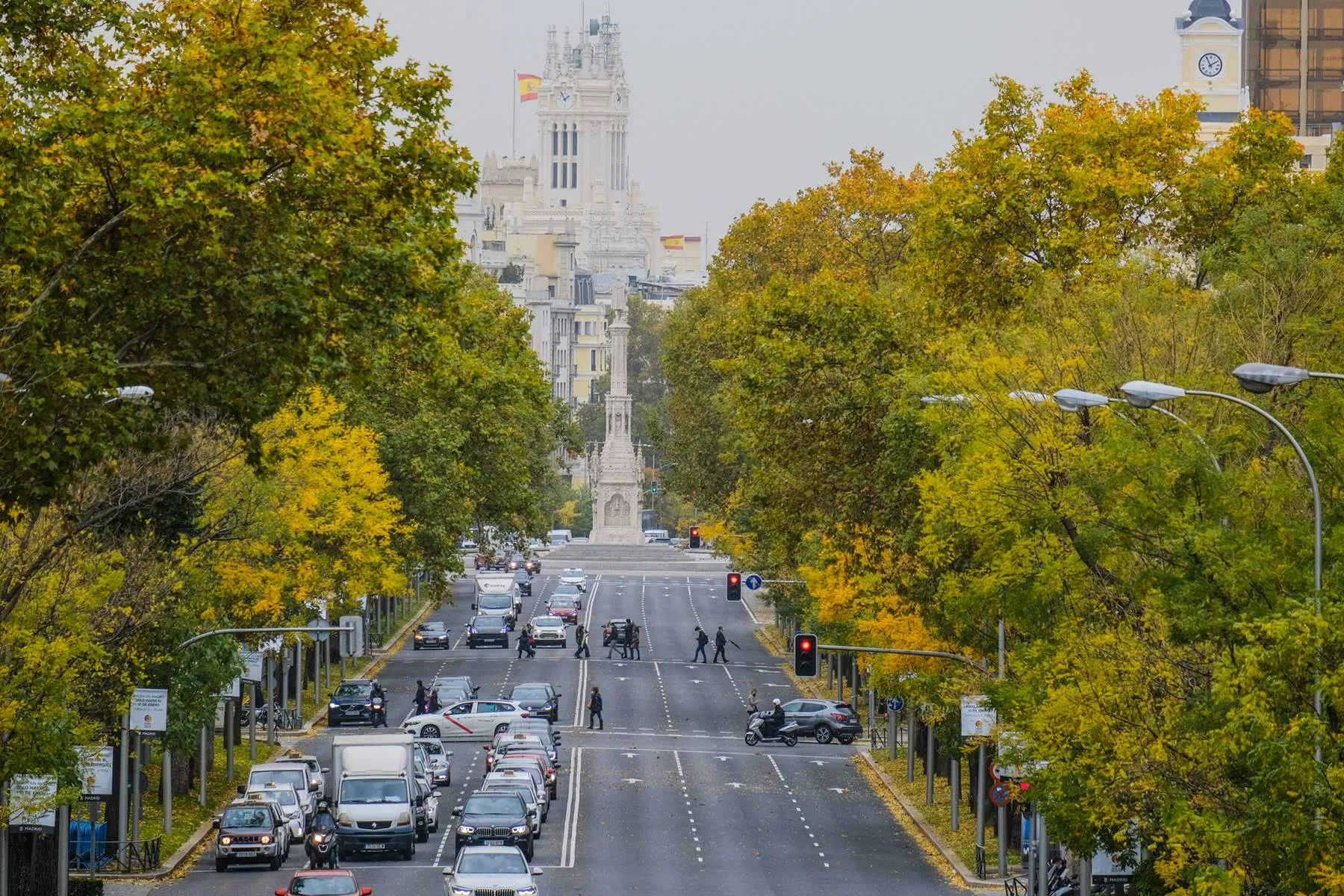
The Castellana corridor links easily to the city center—Sol, Gran Vía and the Prado triangle are a short Metro ride away.
For shopping, head to Serrano; for green space, try Parque de Berlín or the wide boulevards nearby.
A modern Madrid symbol
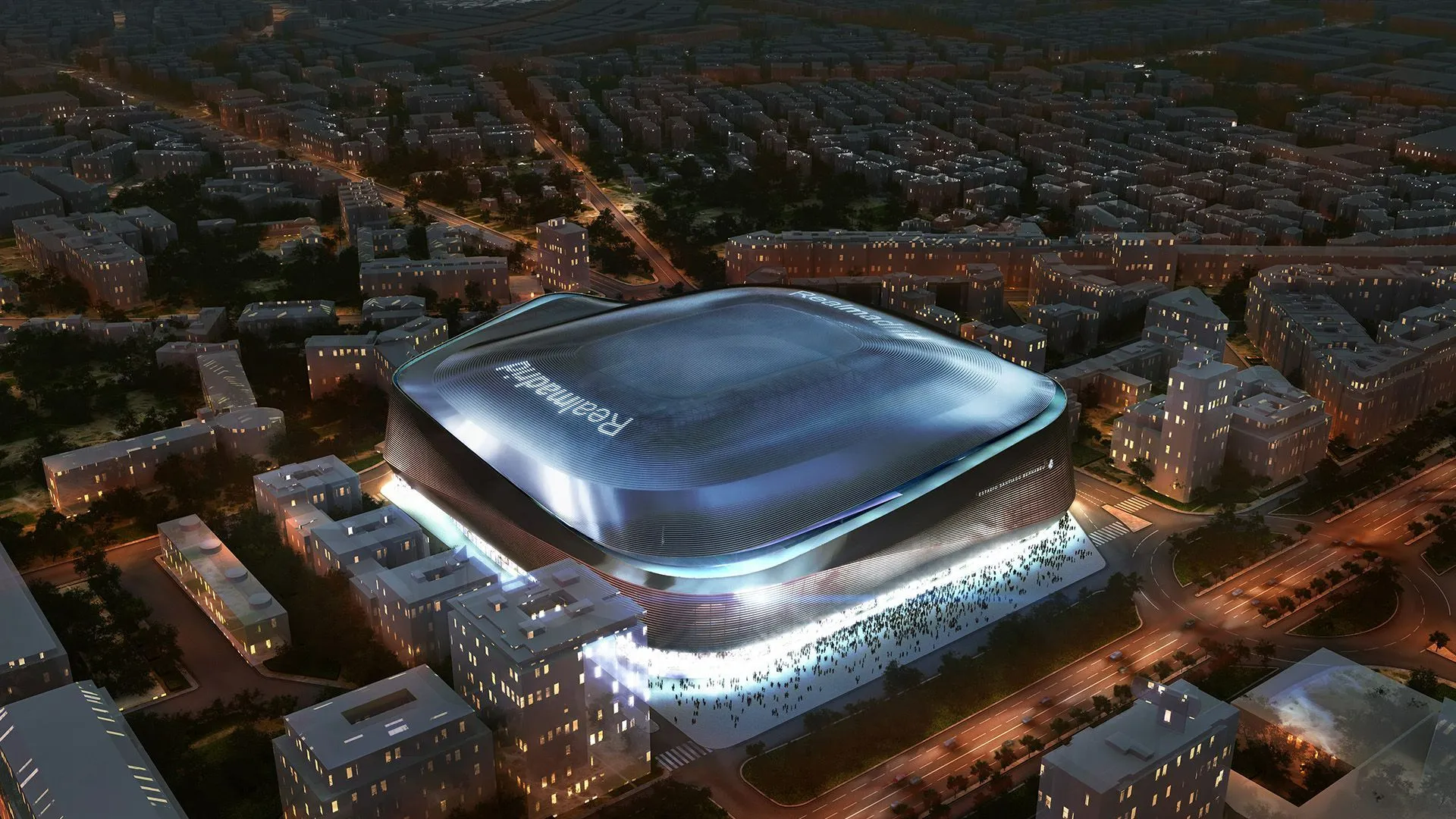
The Bernabéu blends tradition with technology—football heritage wrapped in a forward‑looking stadium.
Whether it’s your first time or your fiftieth, the Tour refreshes how you see the club and the city.
Table of Contents
Origins and early vision
Opened in 1947, the Bernabéu grew with Real Madrid’s ambitions—built to host bigger crowds and bigger ideas.
Named after president Santiago Bernabéu, the stadium quickly became a stage for football’s grandest nights.
Design and architectural evolution
From classic concrete tiers to a sleek new skin, the stadium blends heritage with modern engineering.
The recent renovation added a retractable roof, a 360° video ring and improved circulation throughout.
Construction and expansions
The Bernabéu evolved in stages, expanding capacity and facilities in line with club growth and UEFA standards.
The latest works transformed the exterior, roof and interiors while keeping the stadium active for matches.
Golden eras and iconic nights
From Di Stéfano to modern legends, unforgettable comebacks and finals turned the Bernabéu into football lore.
The atmosphere on big European nights is part spectacle, part ritual—felt across Madrid’s streets.
Tour route and visitor experience
The Tour is self‑paced: museum first, then panoramic stands, multimedia moments and viewpoints.
Expect photo stops, interactive displays and a route designed to be accessible for most visitors.
Operations, safety and maintenance
Continuous monitoring and regular checks keep matchdays and tours running smoothly and safely.
Events can prompt route changes; safety and comfort guide operations throughout the day.
Accessibility and inclusion
Step‑free routes, staff assistance and lifts make the Tour widely accessible.
Clear signage and calm pacing support families, seniors and visitors with different needs.
Sustainability and urban context
A public‑transport‑first location reduces car use; most visitors arrive by Metro, bus or on foot.
Ongoing efforts consider energy use, materials and responsible operations in a dense city setting.
Branding, sponsorship and partners
Partnerships and branding evolve with the club’s projects, while the identity of the stadium endures.
Naming rights discussions and sponsors appear across the venue, but the Bernabéu name remains iconic.
Planning a historically aware visit
Pick a time: weekday mornings for calm, afternoons for buzz. Avoid matchdays for the full route.
Check for special events and closures—match preparation can limit access to certain areas.
Chamartín and city culture
The Bernabéu sits along the Castellana axis—offices, shops and venues give the area a lively, urban rhythm.
From Nuevos Ministerios to Plaza de Castilla, the walk connects business hubs, restaurants and parks.
Nearby highlights and connections
The Castellana corridor links easily to the city center—Sol, Gran Vía and the Prado triangle are a short Metro ride away.
For shopping, head to Serrano; for green space, try Parque de Berlín or the wide boulevards nearby.
A modern Madrid symbol
The Bernabéu blends tradition with technology—football heritage wrapped in a forward‑looking stadium.
Whether it’s your first time or your fiftieth, the Tour refreshes how you see the club and the city.